"The whole is greater than the sum of its parts." Aristotle
Architecture is an extremely personal experience for the user. Many people around the world spend most of their time indoors and this personal exposure to the built environment can affect their overall health and well-being. As a designer, I must enhance that experience to benefit not only functional usefulness but also the physical and emotional health of building users.
Using a holistic design approach, I consider the built environment as the whole of many interconnected elements such as nature, body, and built space. My approach as a research-designer is to identify these elements and to study them in order to design a space that enhances the physical and emotional experience of the user.
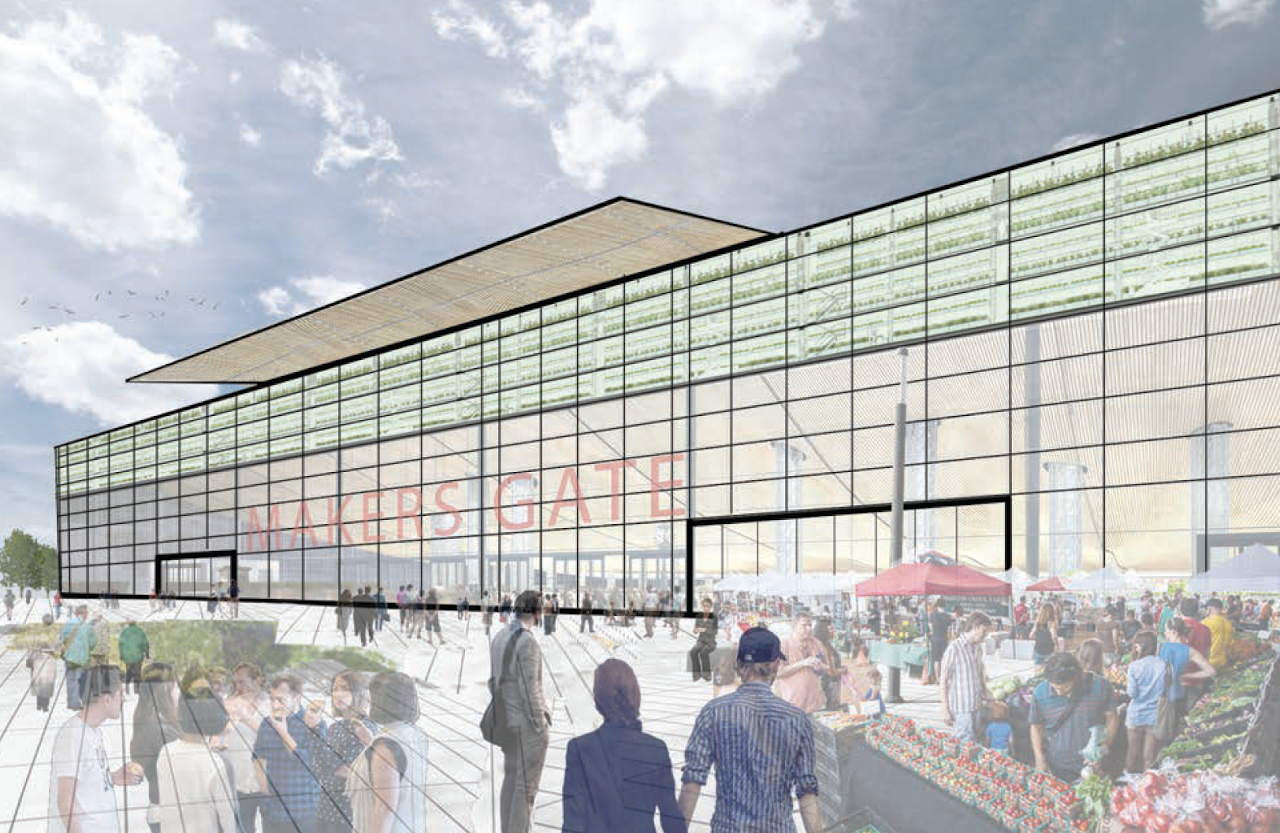
Integrating nature and built space to enhance the user experience.
Evidence-Based Design
Although architectural practice has always valued precedent - learning from what has been built before - evidence-based design goes further by grounding decisions in scientific research. Rather than relying solely on aesthetic intuition, I use physiological and psychological studies to validate design choices.
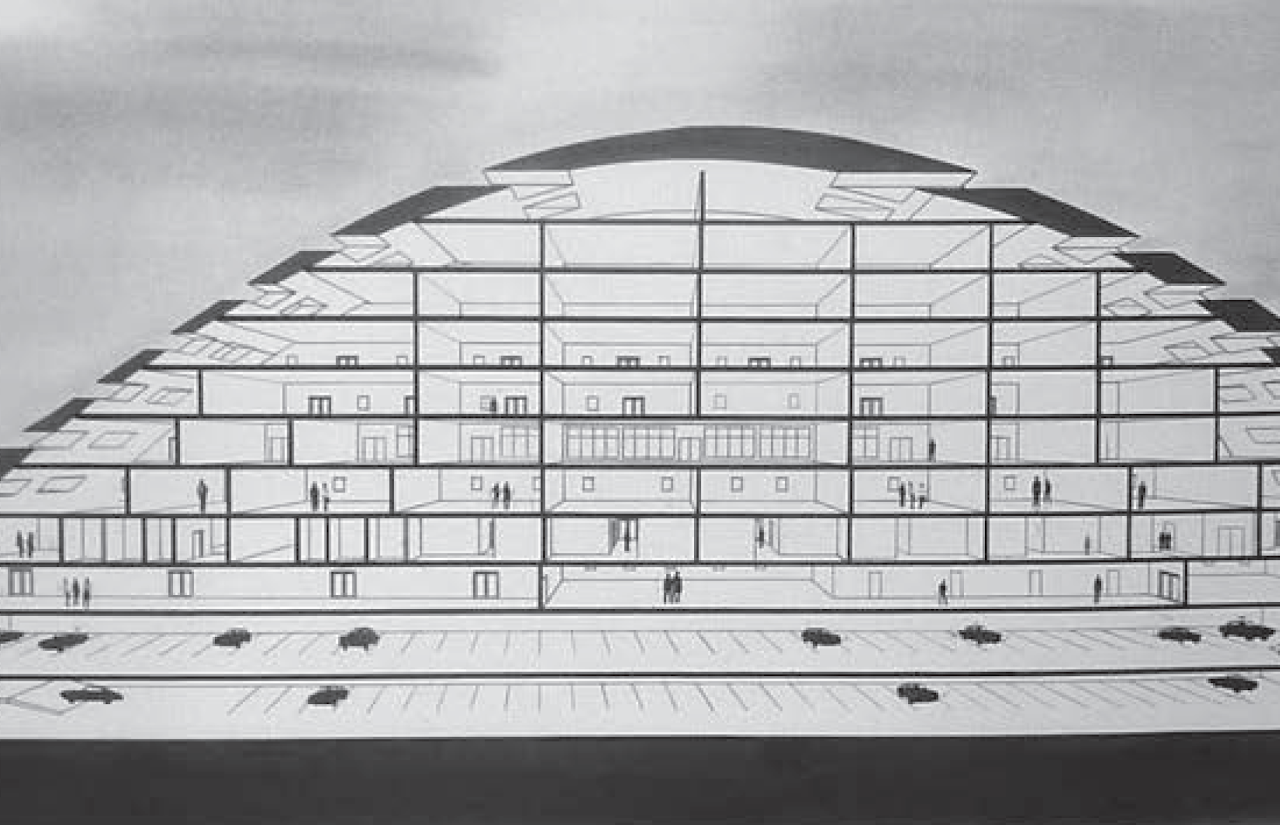
For example, studies on natural ventilation and daylight exposure have shown measurable impacts on human health outcomes, from reducing stress hormones to improving circadian rhythm regulation. By integrating these findings into the design process, we can create spaces that are not just beautiful, but measurably beneficial.
Building-Body Connection
My master's thesis at Paris College of Art explored the Building-Body Connection: the idea that the human body and the built environment exist in a continuous feedback loop. The spaces we inhabit shape our posture, breathing patterns, visual attention, and emotional states. In turn, our bodies and behaviors shape how we use and transform architectural space.
This research draws from phenomenology, environmental psychology, and neuroscience to argue that design must be grounded in embodied experience, not abstract form-making.